 Atlanta Injury Attorney Blog


Your Car Is Collecting Data After Every Drive
Most people understand that modern cars are packed with technology.
They know their vehicle connects to their phone. They know it tracks navigation routes, remembers contacts, and stores driving preferences. Most drivers realize that today’s cars operate more like 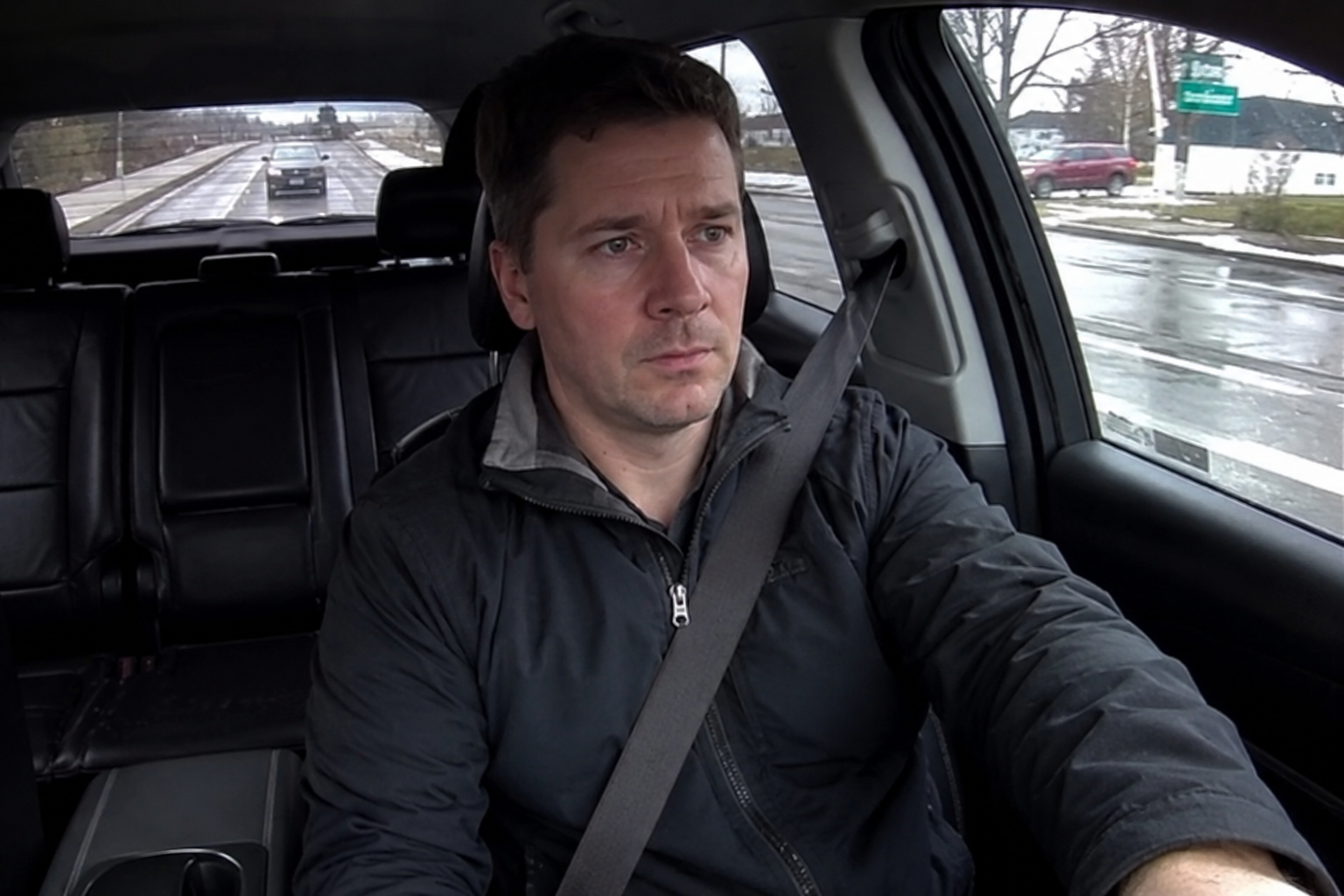 computers than traditional machines.
What many people don’t realize is just how much information those vehicles may be collecting — and where that information can end up after a crash.
Modern vehicles can record speed, braking, steering inputs, acceleration, seatbelt use, location history, and even driver behavior. Some newer systems can monitor eye movement, driver attention, and in-cabin activity. In some situations, that data may be shared with insurers, manufacturers, third-party vendors, or used during accident investigations.
For anyone involved in a serious car accident, that creates a new reality: your vehicle may become one of the most important pieces of evidence in your case.
And in the years ahead, that issue is only going to grow.
Modern Cars Are Constantly Gathering Information
Vehicles today contain dozens of sensors and software systems operating in the background every time the engine starts.
Many drivers think of vehicle technology in terms of convenience features:
- Backup cameras
- GPS navigation
- Bluetooth connectivity
- Voice controls
- Driver assistance systems
- Smartphone apps
But behind those features is a much larger data ecosystem.
Modern vehicles often include systems capable of collecting information about:
- Vehicle speed
- Hard braking
- Rapid acceleration
- Steering patterns
- Driving routes
- Seatbelt usage
- Phone connectivity
- Touchscreen interactions
- Vehicle diagnostics
- Driver attention
Some connected vehicles can generate massive amounts of data during normal operation. As manufacturers continue developing autonomous and semi-autonomous driving technology, the amount of information collected is increasing rapidly.
Most consumers never see this process happening.
The information is gathered automatically through onboard systems, mobile applications, cloud platforms, and connected services tied to the vehicle.
Your Vehicle’s “Black Box” Is Only the Beginning
Many people have heard about a vehicle “black box,” officially known as an Event Data Recorder (EDR).
These systems have existed for years and are commonly used during accident investigations. They can capture information immediately before and during a collision, including:
- Vehicle speed
- Brake application
- Throttle position
- Steering input
- Airbag deployment
- Seatbelt status
In serious personal injury cases, this information can become extremely important evidence.
But today’s connected vehicles go far beyond traditional black boxes.
Modern telematics systems may continuously collect and transmit data long before a crash ever occurs. Some vehicles can store detailed driving histories and behavioral information that extends well beyond the few seconds captured by older EDR systems.
That means accident investigations are changing.
Cases that once relied heavily on eyewitness testimony and police reports may now involve:
- Digital driving records
- Sensor logs
- GPS history
- Software data
- Phone synchronization records
- Vehicle analytics
In some cases, that information may help prove exactly what happened in a collision.
In other cases, insurance companies may attempt to use the same information to dispute claims or shift blame.
Insurance Companies Are Paying Attention to Driving Data
One of the biggest concerns surrounding connected vehicles involves how driving information may be used by insurers.
Telematics programs have become increasingly common in the insurance industry. Many companies now offer apps or tracking devices that monitor driving behavior in exchange for possible discounts.
These systems may track:
- Speed
- Braking patterns
- Acceleration
- Mileage
- Time of day driving occurs
- Phone usage while driving
Some drivers knowingly enroll in these programs. Others may not fully understand how much information is being collected through connected vehicle services already built into their car.
Recent investigations and lawsuits have focused on whether some automakers adequately disclosed how driving data was being shared with third parties.
That matters because insurers are always looking for information that can affect liability decisions, claim evaluations, or settlement negotiations.
After a crash, vehicle data may be reviewed to determine:
- Whether a driver was speeding
- Whether brakes were applied
- How quickly a driver reacted
- Whether distracted driving may have occurred
- Whether aggressive driving patterns existed
Even when the data does not tell the entire story, insurance companies may still attempt to use it to minimize payouts or argue comparative fault.
New Vehicles May Monitor Driver Attention
One of the fastest-growing areas in automotive technology involves driver monitoring systems.
Some newer vehicles use cameras and sensors designed to detect whether drivers are paying attention to the road.
These systems may monitor:
- Eye movement
- Head position
- Driver fatigue
- Hand placement
- Facial orientation
- Signs of distraction
Manufacturers promote these features as safety technology intended to reduce crashes caused by distraction or impaired driving.
And in fairness, some of these systems may help prevent accidents.
But they also raise difficult privacy and legal questions.
If a vehicle detects distraction moments before a crash, who owns that information?
Can insurers access it?
Can manufacturers store it?
Could it eventually appear in litigation?
Those questions are becoming increasingly important as connected vehicle technology evolves.
Data From Your Car Could Become Critical Evidence
From a personal injury perspective, vehicle data can cut both ways.
Sometimes it strongly supports an injured victim’s claim.
For example, crash data may help establish that another driver:
- Failed to brake
- Was traveling too fast
- Made unsafe steering maneuvers
- Ignored collision warnings
- Was distracted before impact
In commercial vehicle cases, telematics information can sometimes reveal unsafe driving behavior or company violations that would otherwise remain hidden.
Digital evidence has become especially important in cases involving:
- Truck accidents
- High-speed collisions
- Distracted driving claims
- Multi-vehicle crashes
- Wrongful death cases
But defense attorneys and insurance companies also use digital evidence aggressively.
If data suggests a driver accelerated suddenly, braked late, or failed to react quickly enough, insurers may argue the injured person contributed to the crash.
Even incomplete or misleading data can become part of settlement negotiations.
That is one reason why evidence preservation is so important after a serious accident.
Many Drivers Never Read the Privacy Agreements
A major issue surrounding connected vehicles is informed consent.
Most people purchasing a car are not sitting at the dealership carefully reviewing digital privacy agreements line by line.
Yet buried inside those agreements may be language authorizing extensive data collection and sharing.
Vehicle manufacturers often describe these systems in broad terms related to:
- Safety
- Diagnostics
- Service improvements
- Connected experiences
- Personalized features
But many consumers do not fully understand the scope of what may actually be collected.
Privacy advocates have criticized automakers for making privacy settings difficult to locate and opt-out procedures difficult to navigate.
Unlike social media platforms, avoiding vehicle technology altogether is not realistic for most people.
Driving is part of daily life.
And as newer vehicles become more software-driven, data collection is increasingly built into the ownership experience itself.
Connected Cars Create New Privacy Risks
The issue is not simply that vehicles collect information.
The larger concern is what happens to that information afterward.
Connected vehicle data may pass through multiple parties, including:
- Manufacturers
- Software vendors
- Cloud service providers
- Mobile app platforms
- Insurance-related companies
- Data analytics firms
The more entities involved, the greater the potential privacy risk.
Cybersecurity experts have repeatedly warned that connected vehicles present attractive targets for hackers and data breaches.
There are also concerns about how long driving data is retained and whether consumers can realistically delete it.
Even after selling or trading a vehicle, some systems may continue storing personal information unless the vehicle is properly reset.
That can include:
- Saved addresses
- Phone contacts
- Garage door codes
- Navigation history
- Linked applications
Anyone selling a connected vehicle should make sure all accounts and data are fully removed before transferring ownership.
The Future of Accident Litigation Is Becoming More Digital
Car accident litigation is changing quickly.
Years ago, most cases depended heavily on witness statements, photographs, medical records, and physical evidence from the scene.
Those things still matter.
But digital evidence is becoming increasingly central to modern injury cases.
Today, accident investigations may involve:
- Vehicle telemetry
- GPS data
- Mobile phone records
- Dash camera footage
- Surveillance video
- Electronic logging systems
- App usage data
- Connected device records
As vehicles become more advanced, the amount of available information will continue growing.
That may create benefits for injured victims when the evidence clearly supports their claims.
But it also means insurance companies will have more tools available to scrutinize driver behavior.
What Accident Victims Should Do After a Serious Crash
If you are involved in a serious accident, preserving evidence early is extremely important.
That includes digital vehicle evidence.
In many situations, critical data may be lost, overwritten, or destroyed if steps are not taken quickly.
An experienced personal injury attorney may help preserve:
- Event data recorder information
- Vehicle telematics data
- Surveillance footage
- Commercial vehicle records
- Electronic driving logs
- Phone-related evidence
Early investigation can make a significant difference in serious injury cases.
The sooner evidence is identified and preserved, the better the opportunity to protect your claim.
Drivers Need to Understand the Tradeoff
Vehicle technology has unquestionably improved safety in many ways.
Features like automatic emergency braking, blind spot monitoring, and collision warnings can reduce accidents and save lives.
But the expansion of connected vehicle technology also comes with consequences most drivers rarely think about.
Modern vehicles are no longer just transportation devices.
They are sophisticated data systems capable of collecting enormous amounts of information about the people who use them.
Most people know their car has technology.
What they often do not realize is how much information that technology may be gathering — or how that information could someday be used after an accident.
And as connected cars become even more advanced, the legal and privacy issues surrounding vehicle data are only going to become more important.